Careers On Boats And Cruise Ships: Roles, Responsibilities, And Life At Sea Explained
Working on boats and ships offers a unique lifestyle that combines travel, adventure, and professional growth. From cargo vessels to luxury cruise ships, there are many career opportunities available for individuals interested in working at sea. These roles are essential for ensuring safe journeys, smooth operations, and enjoyable experiences for passengers.
Life at sea is different from traditional jobs on land. It involves long periods away from home, structured routines, and teamwork in a dynamic environment. However, it also provides the opportunity to visit different destinations and gain valuable international experience.
Understanding the different careers available on boats and ships helps individuals choose a path that aligns with their skills and interests. Each role contributes to the overall success of the journey and the comfort of passengers.
Overview of Maritime and Cruise Ship Careers
Careers on boats and ships can be broadly divided into operational, technical, and hospitality roles. Each category plays a vital role in ensuring that the vessel functions efficiently and safely.
Operational roles focus on navigation and safety, while technical roles handle machinery and maintenance. Hospitality roles are more common on cruise ships and focus on guest services.
Many people explore cruise ship careers and roles to understand the wide range of opportunities available in this industry.
Deck Department Roles
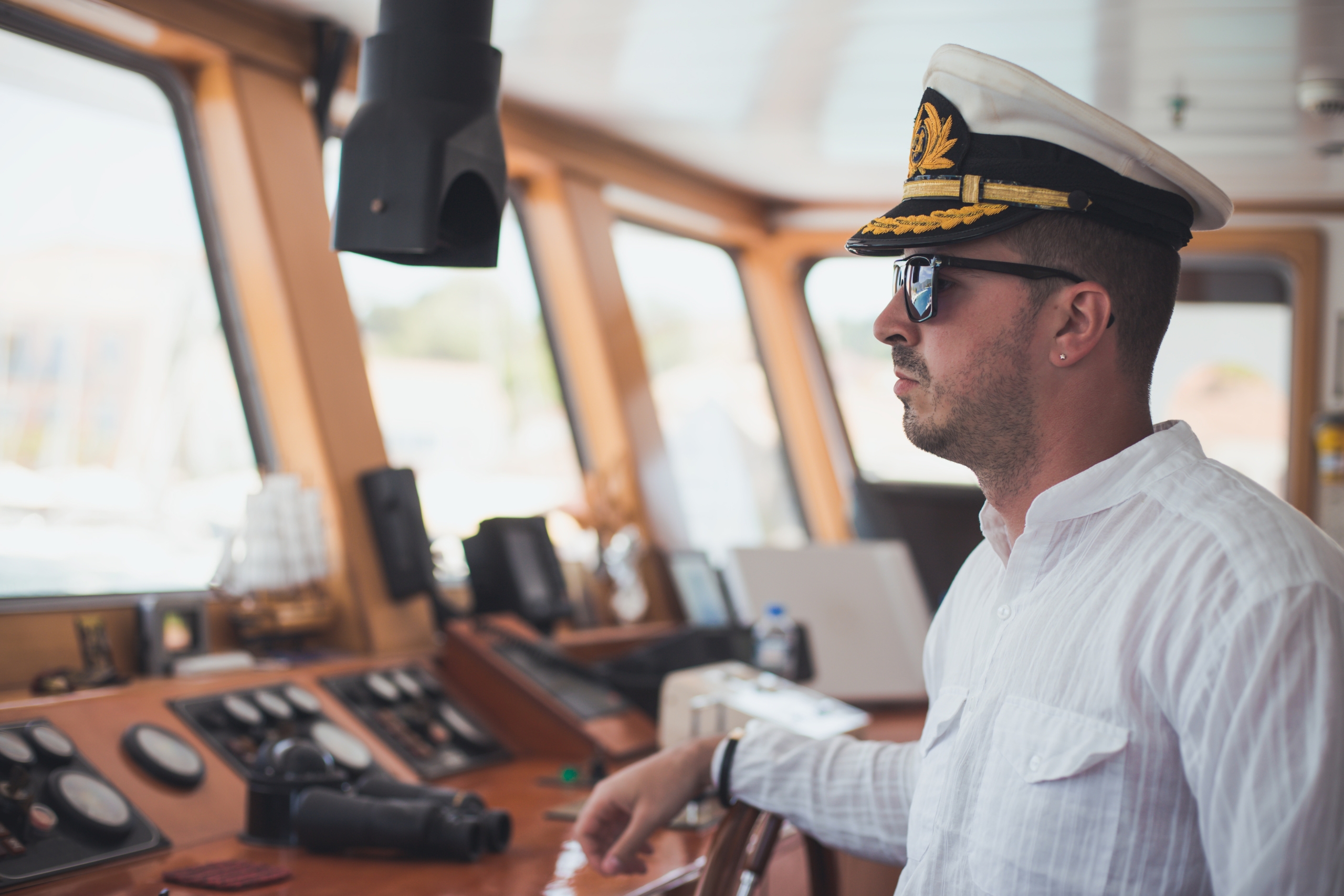
The deck department is responsible for navigation, safety, and overall ship operations. Key roles include the captain, officers, and deck crew.
The captain oversees the entire vessel and ensures compliance with maritime regulations. Officers assist with navigation and operational planning.
Deck crew members handle tasks such as maintenance, mooring, and safety procedures, making them essential for daily operations.
Engine Department Roles
The engine department manages the technical aspects of the ship. This includes maintaining engines, electrical systems, and other machinery.
Engineers and technicians ensure that all systems run efficiently and safely throughout the journey.
Their work is crucial for preventing breakdowns and ensuring smooth travel.
Hospitality and Guest Services Roles
On cruise ships, hospitality roles are a major part of the workforce. These positions focus on providing excellent service to passengers.
Common roles include chefs, waitstaff, housekeeping staff, and entertainment teams.
For those exploring jobs on cruise ships, hospitality positions offer opportunities to interact with guests and enhance their travel experience.
Entertainment and Recreation Roles
Cruise ships offer a wide range of entertainment options, and dedicated staff are responsible for organizing activities and performances.
Roles in this category include performers, activity coordinators, and fitness instructors.
These professionals help create a fun and engaging environment for passengers throughout the journey.
Safety and Security Roles
Safety is a top priority on any vessel. Safety officers and security personnel ensure that all procedures are followed and that passengers and crew are protected.
They conduct drills, monitor security systems, and respond to emergencies when necessary.
These roles are essential for maintaining a safe and secure environment at sea.
Medical and Health Services
Large ships, especially cruise liners, often have medical staff on board. Doctors and nurses provide healthcare services to passengers and crew.
They handle routine medical needs as well as emergencies, ensuring that everyone on board receives proper care.
Medical roles require specialized training and are critical for long voyages.
Life at Sea: Challenges and Rewards
Working on a ship comes with both challenges and rewards. Long working hours and time away from family can be demanding.
However, the opportunity to travel, meet people from different cultures, and gain unique experiences makes it a rewarding career choice.
Life at sea requires adaptability, discipline, and strong teamwork.
Skills Needed for Maritime Careers
Different roles require different skill sets, but some qualities are essential across all positions. These include communication, problem-solving, and the ability to work in a team.
Technical roles require specialized training, while hospitality roles focus on customer service skills.
Understanding these requirements helps individuals prepare for a successful career at sea.
Career Growth and Opportunities
The maritime industry offers opportunities for career advancement. Many professionals start in entry-level positions and progress to higher roles with experience and training.
Continuous learning and certifications can open doors to new opportunities and higher responsibilities.
Career growth in this field is often based on performance, dedication, and experience.
Conclusion
Careers on boats and cruise ships offer a unique blend of work and travel, providing opportunities across various fields such as operations, engineering, hospitality, and healthcare. Each role plays a vital part in ensuring safe and enjoyable journeys for passengers and crew. While life at sea comes with challenges, the rewards of travel, cultural exposure, and professional development make it an attractive career path. By understanding the different roles and requirements, individuals can choose a career that suits their interests and goals, leading to a fulfilling and adventurous life at sea.