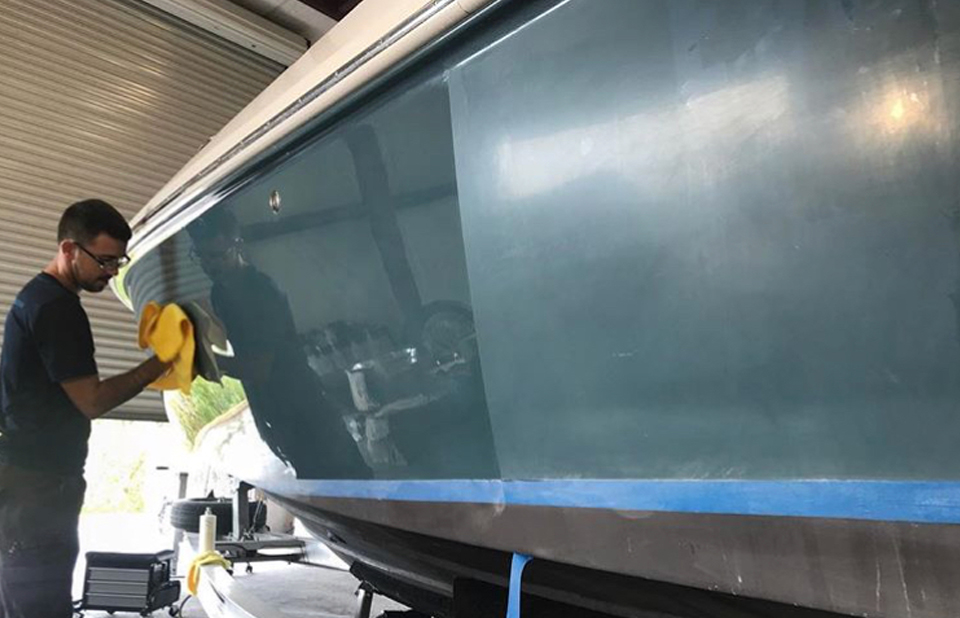
How To Apply a Ceramic Coating For Boats
Having a boat is great, but the sea may be choppy at times. If you don’t address it, salt water, UV rays, and being wet all the time will degrade the surface quickly and over time. This is where the idea for ceramic coating for boats came from. It keeps boats safe, helps them look better, and makes them shine longer. Some oils fall off, but the clay coatings remain on the boat. They keep the surface from getting rusty, spots, and sun damage. If you take good care of your boat, it will look great and keep its value. It will pay off in the end to put in more time and work. How should I use clay shield most effectively? What does it mean in real life? Why is it now an important part of keeping your boat safe and in good shape?
Understanding The Power Of Ceramic Coating
Before you put on a clay coat, you should know how they work. This finish is made by mixing an oil-based substance with silicon dioxide. When this silicon dioxide touches the paint or gel coat on the boat, a chemical reaction takes place. UV light can’t stick to it because it’s not sticky. It doesn’t stick to bad things like dirt or water.
Ceramic coats form a tiny layer that hardens into a clear shell, while wax just sits on top of the surface. This means that the boat’s finish will stay shiny for years, even if it is in the sun and salt water all the time. This not only protects, but also makes the surface look better—water beads up and rolls off easily, leaving behind a finish that looks like a mirror. Ceramic treatment is the best way for boat owners who are proud of how clean their boats are to keep them looking great.
Preparing The Surface For Perfection
Getting ready is the key to a perfect ceramic finish. Every surface needs to be cleaned very well so that there is no rust, dirt, or grease on it. The base has to be clean for even the best finish to stick properly. First, a marine-grade cleaner should be used to wash the boat and get rid of salt buildup and dirt. After the surface is dry, a clay bar or sanding solution can be used to get rid of any bits that are stuck in it and make it smooth again.
A light cleaning is something that many professionals say you should do to get rid of any surface flaws. A fine cleaning solution should be used to fix any rust that is there. Before covering, the last step is to wipe the surface clean with a solution of isopropyl alcohol to get rid of any oils or leftovers. This makes sure that the surface is clean and pure so that the coating can stick well. Not only does the right preparation make the finish stick better, it also promises that it will last for years instead of months.
The Application Process: Patience And Precision
To put on ceramic finish, you need to be careful and patient. Working section by section is usually how the process is done to make sure even covering. With a soft application pad, the coating is spread out slowly and evenly across the surface by repeating the strokes. Finally, a clean microfiber towel is used to wipe off the product to get rid of any extra dust. This usually takes a few minutes.
A lot of things in the environment can affect how well an app works. The boat should be in the shade or a room with stable temperatures and low humidity. Putting the covering down in direct sunlight or very hot weather might not let it dry properly, leaving spots that aren’t level. Make sure there is enough time between each coat to dry, and use more than one layer if the bottle says to. This stacking makes the covering tougher, which is the best defense you can get.
Curing And Post-Application Care
This stage starts after the finish is put on. The layer will be strong and last a long time after this point during this very important time. There are some more advanced ceramic coats that may need up to a week to fully dry. Most of them dry in 24 to 48 hours. Water, dust, and other things that could damage the boat should be kept away from it during this time. This will keep the bonding process going smoothly.
The surface will have a thick gloss and a smooth feel as soon as it’s dry. It’s easier than ever to clean because the layer is slippery and water and dirt just slide off. For everyday care, all you need is a mild shampoo with the right pH level and gentle cleaning. The safety of the covering usually lasts for a few years, but this depends on how well it is taken care of and how much it is exposed to the weather. If you want a shine that doesn’t need much upkeep, ceramic finish is one of the best things you can buy for your boat.
Professional Application Vs. DIY Options
Some boat owners like to do their own work, while others would rather hire someone to do it. Many times, experts use limited settings and unique tools to get the same, good results every time. The coating is put on evenly and dries properly because of their knowledge. This makes it less likely that there will be high spots or lines. Goods made for professionals often have new ingredients that normal people can’t get.
But new ceramic coating kits that you can use on your own have made it easier than ever for experienced boat owners to cover their own boats. That person can get results that are almost as good as those from a pro if they study, wait, and pay close attention to the details. You should decide if you want to hire a professional or do it yourself based on your comfort level, time, and style. No matter how it’s put on, ceramic finish covers and shines the same way. This really shows how important current military tech is.
Long-Term Benefits Of Ceramic Coating
Ceramic finishes are useful for more than just how they look. They make a boat’s surface last longer because they don’t rust or fade in UV light. This means that fixes and repainting cost less. Pollutants and salt can fade, color, and rust the covering, but these things can’t happen because of it. This means boaters who spend a lot of time on the water will have more time to have fun and less time to clean.
The smooth surface keeps algae and dirt from building up along the body, so it moves more slowly. If you do this, the car might go faster and use less gas. A clay coat can still be sold for money. The clean, shiny finish on the boat makes it look like it’s been well taken care of. Ceramic safety is nice to have and a good buy if you use your boat a lot. Over time, it looks better and lasts longer.
The Science Behind Durability And Shine
Because of how they are made, clay clothes last a long time. Parts made of silicon dioxide (SiO₂) and titanium dioxide (TiO₂) stick to the gel coat of the boat very well. This link can’t be broken by chemicals, heat, or UV rays. It makes a surface that is harder than most plain paints when it dries. Because of this, it is very strong against damage from the outside world.
This gets rid of mud that is still on boats that have been used for years. Tech keeps getting better, so new clothes can fix themselves and block UV rays better. For now, clay coats are still the best way to keep military gear safe while this is being worked on. This is correct for all boats, no matter how big or small they are. The finish stays bright and shiny.
Conclusion
A ceramic coating for boats is meant to keep its good looks, worth, and the owner’s pride safe. Being careful when you finish building your boat and then taking good care of it will make it last longer. The boats always look brand new because of their shiny finish. It doesn’t let water or UV light fade it. Being able to clean rocks in the ocean with clay is a big step forward. You can do it yourself or get help to be safe. People who own boats now have fun, smart, and useful ways to show them off and keep them safe. Ceramic covering is still the best choice if you want sparkle that lasts and safety from the rough sea. Every trip, it makes you look good, feel good, and shine.